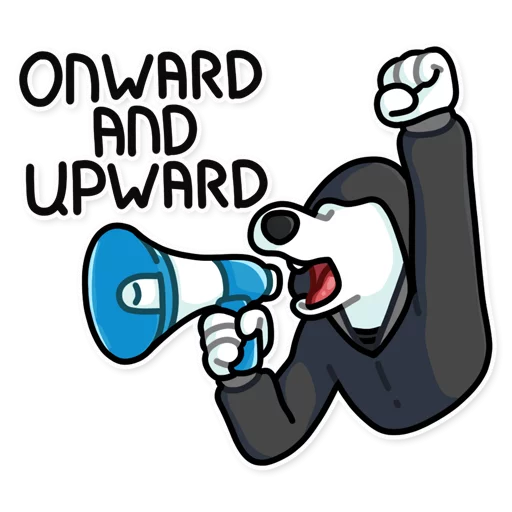
The Legend of the Resistance Dog
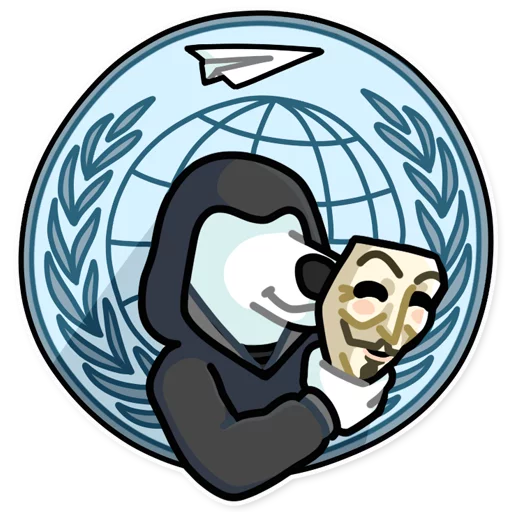
In December 2011, when Russian security agencies demanded that Pavel Durov shut down opposition pages on VK, he responded with defiance. Armed FSB police stood outside his apartment for an hour. He didn't answer. Instead, he posted a photograph of his dog wearing a hoodie with its tongue sticking out, alongside the FSB's official demand letter—a simple gesture that would become the symbol of digital resistance worldwide.
"To be truly free, you should be ready to risk everything for freedom."
Pavel Durov
Durov didn't just post a meme. He lost his country, his fortune, and his home. In 2014, after refusing to betray Ukrainian protesters on VK, he was forced into permanent exile. He chose principle over profit, freedom over comfort. The hooded dog represents not just resistance, but the price of standing firm when everyone else bends.
In 2018, as Russia attempted to strangle Telegram, Durov hand-drew the dog again—this time officially naming it "Resistance Dog." He pledged $1 million of his personal wealth to fund proxies and VPNs, calling the movement #DigitalResistance. The dog that once mocked the FSB now led a global movement.
"Privacy is not for sale, and human rights should not be compromised out of fear or greed."
Pavel Durov, April 2018
What is Resistance Dog?
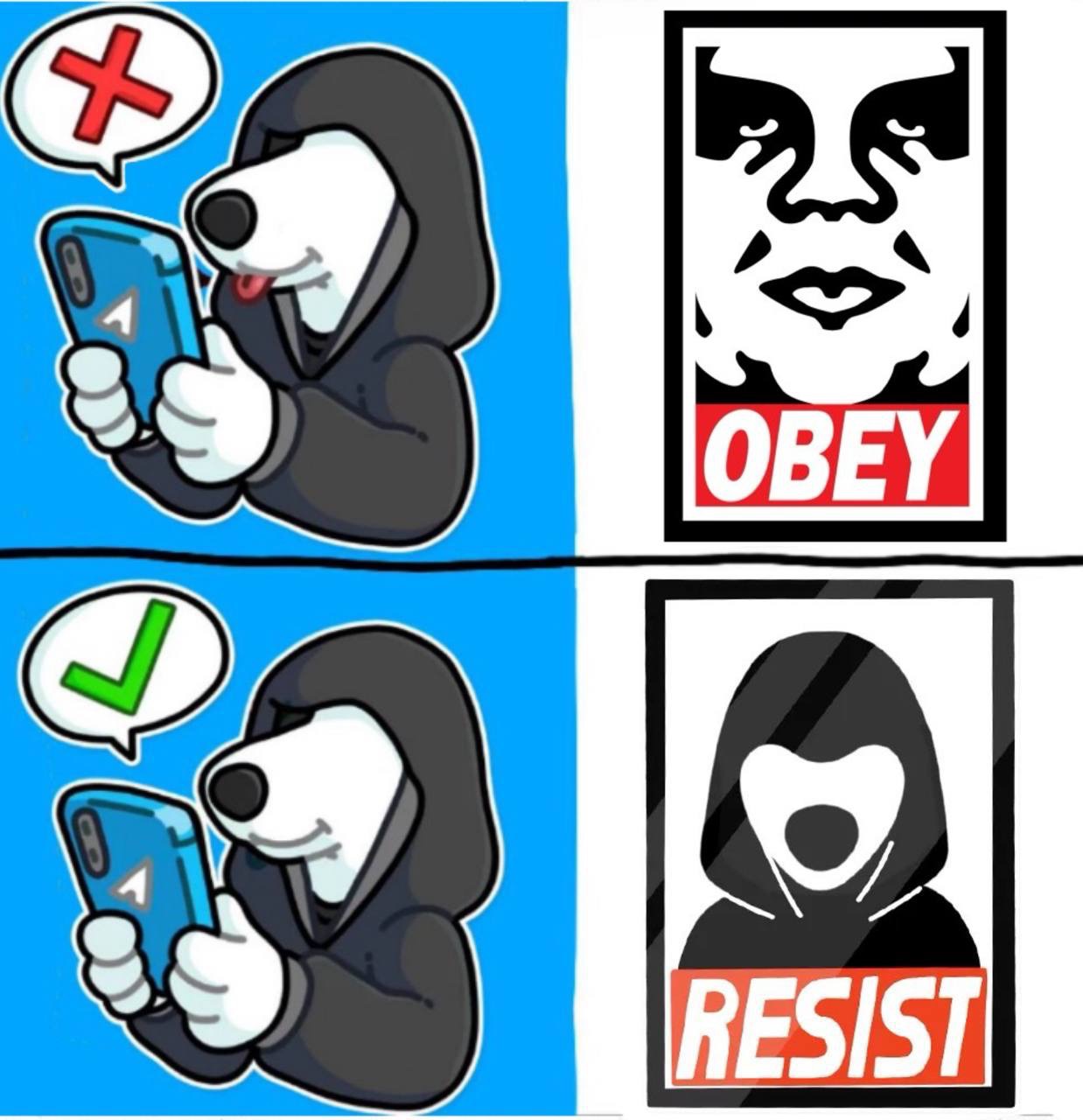
Resistance Dog (REDO) is both a community-driven token on The Open Network and a symbol of the fight for digital freedom. The hooded figure represents anonymity—crucial for freedom in an age of surveillance. The dog represents guardianship of users' rights and freedoms online.
Launched on January 9, 2024, the project was immediately abandoned when its creator renounced the contract and burned the liquidity. But the community saw something greater. They saw the hooded dog and understood: this wasn't about profit. This was about the idea. They took over, built an ecosystem, and proved that resistance doesn't need a leader when it has a purpose.
"Our generation is running out of time to save the free internet built for us by our fathers. A dark, dystopian world is approaching fast, while we're asleep."
Pavel Durov, October 2024
The Symbolism of the Resistance Dog
Every element of the Resistance Dog carries meaning. It's not just a mascot—it's a visual manifesto of digital freedom.
The Hoodie
Anonymity in the age of surveillance. The fundamental right to exist without being tracked, cataloged, and controlled. The hoodie protects identity while amplifying voice.
The Dog
Loyalty and protection. Dogs guard what matters. This dog guards freedom itself—defending users' rights when governments and corporations attack. Fearless and unwavering.
The Tongue Out
Defiance with humor. Not angry resistance, but playful rebellion. You can threaten me, but I will not take you seriously. Your power is absurd, and I will mock you while I resist.
"The hooded dog was drawn by Pavel Durov as a symbol of resistance to the Russian government, and Telegram was created to put censorship-free resistance into action."
The numbers tell the story: 12,000 protesters in Moscow. 18 million IP addresses blocked. 2 million signatures in 24 hours. These aren't just statistics—they're proof that the movement is real, that people will stand up, that resistance works when we resist together.
Why Memes Matter
Durov believed that simple, viral symbols can spread faster than censorship can contain them. The hooded dog proved him right. When governments tried to block Telegram, the dog multiplied. When they arrested Durov, millions rallied. The meme became a movement because it represents something deeper than a logo—it represents the refusal to be silenced.
The Decentralized Future
The fight for digital freedom requires more than words—it requires infrastructure that governments cannot shut down, platforms they cannot censor, and communities they cannot control. This is why we build on TON and Telegram.
Why TON Blockchain?
TON (The Open Network) isn't just another blockchain. It was conceived by the Durov brothers as part of Telegram's vision for a decentralized internet. Today, it's the perfect foundation for digital resistance:
Lightning Fast
104,715 transactions per second—world record. 3-5 second finality. Built to scale to millions of users without compromise.
Telegram Native
Seamless integration with Telegram's 900+ million users. Build apps inside the messenger. Zero friction for adoption.
Censorship Resistant
Decentralized storage, anonymous networking, encrypted communications. No single point of failure. No government can shut it down.
Community Owned
True decentralization. Smart contracts, DAO governance, community tokens. Power to the people, not corporations.
Building the Resistance Infrastructure
TON Sites
Websites that cannot be taken down. Hosted on decentralized storage with .ton domains that no government can seize. This site will soon live entirely on TON—permanent, uncensorable, free.
Telegram Mini Apps
Full-featured applications built directly into Telegram. Community hubs, governance tools, encrypted channels—all accessible to hundreds of millions without installing anything.
DAO Governance
Decentralized decision-making using TON.Vote. Every token holder gets a voice. Transparent, on-chain, immutable. True democracy without intermediaries.
TON Proxy
Anonymous networking that masks your IP address. Like Tor, but built into the TON ecosystem. Protect activists, journalists, and dissidents from surveillance.
TON Storage
Decentralized file storage across independent nodes. Upload documents, videos, evidence—it lives forever, distributed across the network, impossible to delete.
The Vision: A Truly Free Community
Imagine a community where:
No server can be seized because everything lives on the blockchain.
No domain can be confiscated because .ton domains are NFTs you own.
No content can be censored because it's distributed across thousands of nodes.
No leader can be compromised because governance is decentralized through smart contracts.
No members can be tracked because TON Proxy protects their identity.
"The global threat of 'Big Brother' can actually be conquered purely by technology."
Pavel Durov
This isn't science fiction. The technology exists today. TON provides the infrastructure. Telegram provides the users. The community provides the will. All that's missing is action.
TON Blockchain
TON Sites
TON Storage
TON Proxy
Telegram Mini Apps
DAO Governance
Web3
Decentralization
Next Steps: Join the Build
We're building this infrastructure now. The Resistance Dog community will be one of the first truly decentralized resistance movements—censorship-proof, government-proof, future-proof.
Developers: Build Mini Apps and smart contracts on TON.
Community: Hold REDO tokens, participate in governance.
Activists: Use TON Proxy, spread the tools, protect others.
Everyone: Learn about Web3, take control of your digital freedom.
The resistance isn't just a symbol. It's infrastructure. It's code. It's unstoppable.